Decoding threshold alignments between settlement speeds in handheld athletic forecasts and croupier sequence rules within layered reward structures
Jakob Frank · Oct 29, 2026
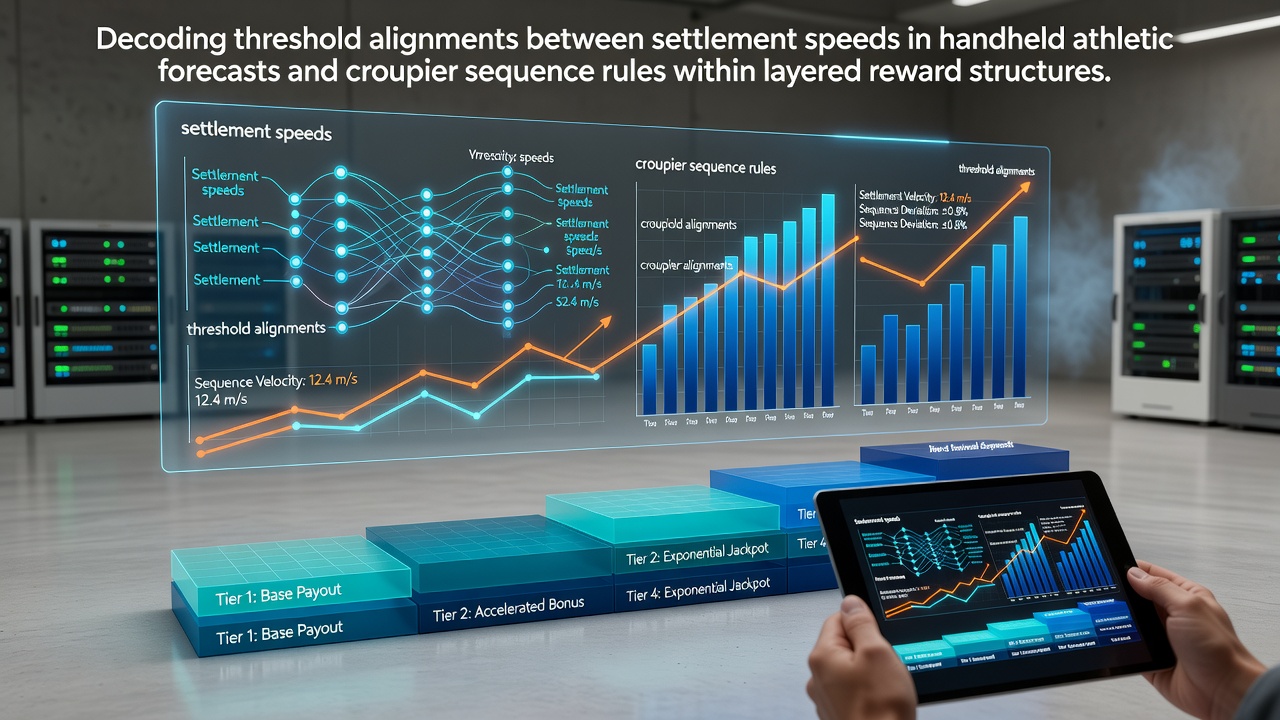
Decoding threshold alignments between settlement speeds in handheld athletic forecasts and croupier sequence rules within layered reward structures
Platforms that combine mobile sports forecasts with live dealer formats must synchronize payout settlement timelines against specific dealer sequence protocols to maintain eligibility across multi-tiered bonus systems, and data from regulatory filings shows these alignments directly affect how quickly users access layered incentives. Settlement speeds in handheld athletic forecasts refer to the interval between event conclusion and fund availability, while croupier sequence rules dictate the order of card draws, payouts, and game resets in table environments. When these two elements fall out of sync, reward structures can trigger delays or disqualifications, and industry reports document cases where platforms adjusted timing parameters to keep both systems compliant.
Settlement mechanics in mobile athletic forecasts
Handheld athletic forecast applications process outcomes through automated verification pipelines that confirm results within seconds to minutes after events conclude, and this velocity determines whether a wager qualifies for subsequent bonus tiers. Operators configure these pipelines to match the pacing of live dealer sequences, because many layered reward programs require that funds from one activity type clear before they can contribute to wagering requirements in another. Research from North American gaming commissions indicates that platforms achieving sub-two-minute settlement times for sports forecasts report higher completion rates for cross-format bonuses compared with slower systems.
Croupier sequence rules and their timing constraints
Live dealer protocols establish fixed intervals for card shuffling, betting windows, and payout distributions that remain consistent across sessions, and these intervals create natural checkpoints within reward structures. Platforms integrate these checkpoints with mobile settlement data so that a sports forecast payout can immediately feed into a table game round without violating sequence order. According to figures from the European Gaming and Betting Association, operators that map dealer reset cycles against forecast settlement windows reduce instances of bonus forfeiture by aligning the moment funds become available with the start of the next eligible dealer sequence.
Threshold alignments across reward layers
Layered reward structures assign different contribution percentages and time limits to various game types, and threshold alignments ensure that settlement speed in one channel satisfies the eligibility clock running in another. For instance, a bonus might require 30x wagering on sports forecasts settled within five minutes, while table game sequences must follow a prescribed order that cannot pause for external delays. Data released in October 2026 by several state gaming authorities shows platforms that recalibrated these thresholds experienced measurable increases in active user sessions spanning both mobile forecasts and dealer-hosted formats.

One common approach involves embedding real-time APIs that push forecast settlement confirmations directly into dealer management software, allowing the system to recognize cleared funds at the precise moment a new sequence begins. Observers note that this integration prevents situations where a payout arrives after a dealer round has already closed its betting window, which would otherwise break the chain of eligibility across reward layers. Studies from academic gaming research centers confirm that such technical bridges maintain compliance while preserving the independent timing rules of each format.
Regulatory frameworks guiding alignment standards
Regulatory bodies in multiple jurisdictions require operators to document how settlement velocities interact with dealer protocols inside bonus ecosystems, and these filings often include detailed flowcharts of threshold triggers. In October 2026, updates from the Nevada Gaming Control Board highlighted the need for transparent mapping between mobile forecast clearing times and live table sequence checkpoints. Platforms that submit these mappings demonstrate that reward structures treat both channels as interdependent rather than isolated, reducing the risk of inadvertent violations during high-volume periods.
Implementation patterns across platforms
Operators apply several technical patterns to achieve alignment, including synchronized clocks between sports verification engines and dealer terminals plus conditional triggers that pause bonus timers during sequence transitions. These patterns allow funds from a settled athletic forecast to enter a layered reward pool at the start of the next valid croupier cycle, and industry analyses show this method supports seamless movement between formats without resetting progress toward completion thresholds. Figures from multiple regional reports indicate that platforms using these patterns maintain consistent user retention across mobile and live dealer offerings.
Conclusion
Threshold alignments between settlement speeds in handheld athletic forecasts and croupier sequence rules form a foundational element of layered reward structures, and platforms continue to refine these connections through API integrations and documented compliance procedures. Data from regulatory sources in October 2026 and earlier periods illustrates how precise timing coordination supports eligibility across formats while respecting the independent rules of each channel. As systems evolve, the emphasis remains on maintaining verifiable links between forecast outcomes and dealer sequences to ensure reward layers function as intended.