Procedural Frameworks Guiding Secure Transfers Within Smartphone Reel Adventures and Live Athletic Forecasts
Jakob Frank · Sep 3, 2026
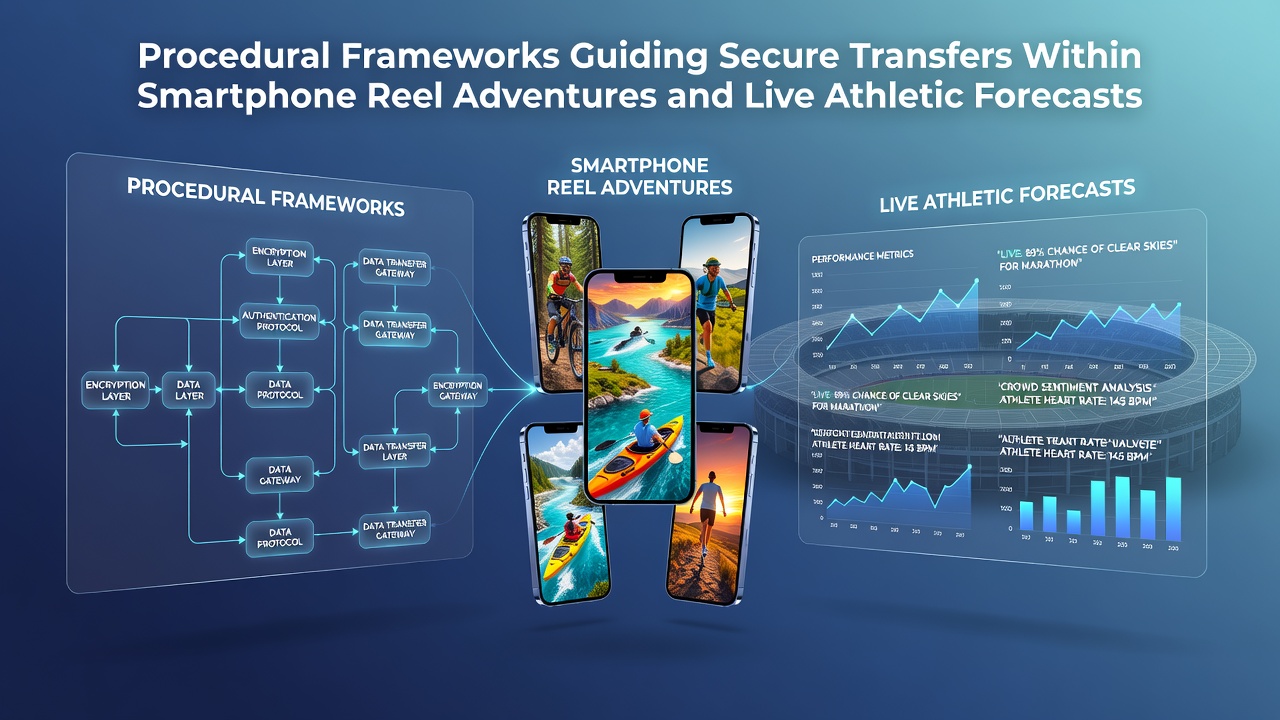
Procedural Frameworks Guiding Secure Transfers Within Smartphone Reel Adventures and Live Athletic Forecasts
Regulatory agencies across multiple jurisdictions have established detailed procedural frameworks that govern secure financial transfers in mobile applications focused on reel-based games and live sports prediction platforms, and these systems combine identity verification steps with encryption standards to maintain transaction integrity throughout the process.
Core Verification Layers in Mobile Gaming Transfers
Operators implement multi-stage authentication sequences that begin with account registration and extend through ongoing session monitoring, while payment service providers enforce tokenization methods that replace sensitive card details with unique identifiers, and data shows these combined measures reduce unauthorized access incidents by significant margins according to industry compliance reports.
Know-your-customer protocols require users to submit government-issued identification documents along with proof of address, and automated systems cross-reference this information against international watch lists before any deposit or withdrawal can proceed, creating a layered defense that aligns with anti-money laundering directives from bodies such as the Nevada Gaming Control Board.
Encryption and Settlement Protocols
Transaction channels utilize end-to-end encryption standards including TLS 1.3 and advanced cryptographic algorithms that protect data packets during transmission between user devices and backend servers, while real-time fraud detection engines analyze behavioral patterns such as transaction velocity and geographic anomalies to flag potential risks before settlement occurs.
Settlement timelines vary by payment method yet typically range from instantaneous for e-wallet options to several business days for traditional bank transfers, and these frameworks incorporate automated reconciliation processes that match user requests against operator ledgers to prevent discrepancies.

Regulatory Alignment Across Reel and Athletic Platforms
Jurisdictions including those overseen by the New Jersey Division of Gaming Enforcement and the Australian Transaction Reports and Analysis Centre have issued updated guidelines that specifically address mobile-first environments, and these rules mandate regular third-party audits of security infrastructure along with mandatory reporting of any detected breaches within strict timeframes.
In September 2026 several regional authorities synchronized their reporting requirements for cross-border transactions, which has streamlined compliance for operators managing both reel adventure titles and athletic forecast markets within single applications, and research from academic institutions tracking digital payment trends indicates improved detection rates for suspicious activity following these harmonization efforts.
Integration of Payment Gateways and Monitoring Tools
Secure transfer frameworks connect directly with certified payment gateways that support multiple currencies and local banking networks, while continuous monitoring dashboards provide operators with visibility into every stage of fund movement, and those who manage large-scale platforms often discover that combining artificial intelligence screening with human oversight yields the most effective risk mitigation outcomes.
Withdrawal limits and cooling-off periods form additional procedural safeguards that prevent rapid cycling of funds, and these controls operate alongside responsible gaming tools that allow users to set personal deposit caps directly within the application interface.
Conclusion
Procedural frameworks for secure transfers in smartphone reel adventures and live athletic forecasts continue to evolve in response to technological advances and shifting regulatory expectations, and stakeholders maintain focus on balancing user convenience with robust protection mechanisms that address both technical vulnerabilities and compliance obligations across global markets.