Procedural Tweaks in Interactive Platforms and Their Influence on Reward Distribution Speeds Across Diverse Betting Formats
Jakob Frank · Oct 15, 2026
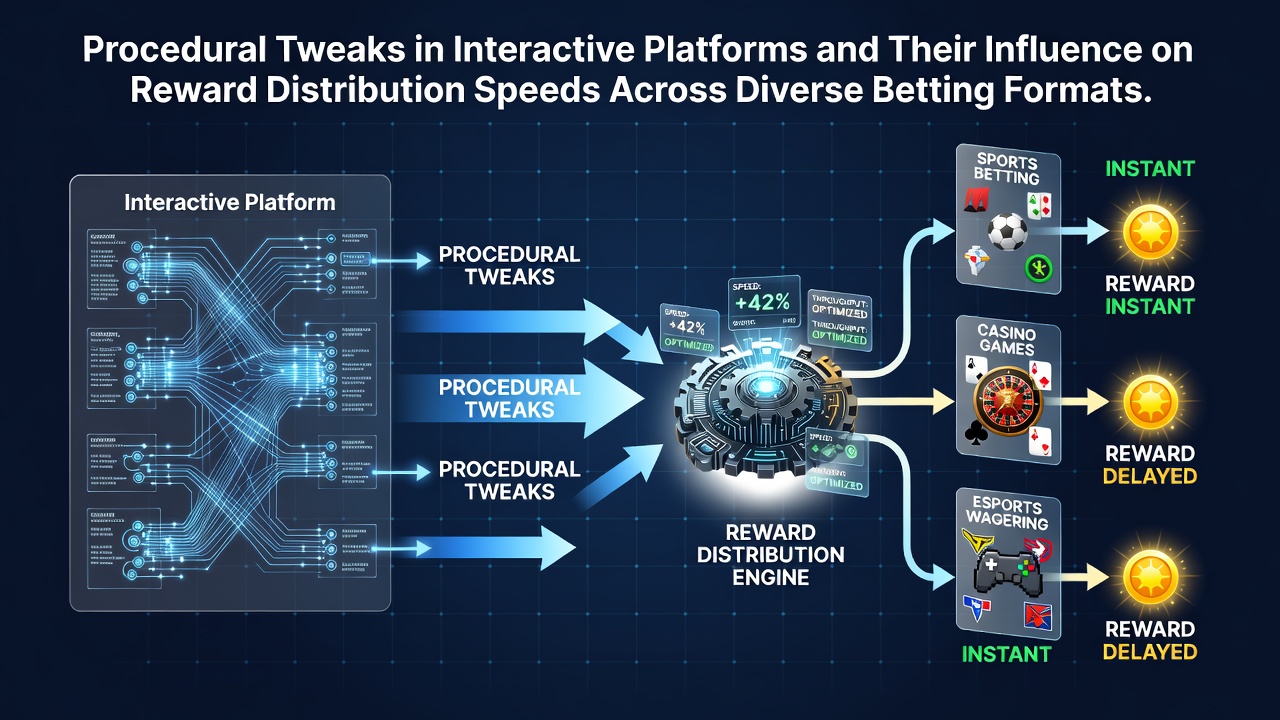
Procedural Tweaks in Interactive Platforms and Their Influence on Reward Distribution Speeds Across Diverse Betting Formats
Procedural tweaks in interactive platforms refer to targeted modifications in backend algorithms, verification sequences, and settlement protocols that platforms implement to handle user interactions and outcome resolutions, and these changes directly shape how quickly rewards reach accounts in slots, live dealer sessions, and sports prediction markets. Observers note that such adjustments often involve streamlining data validation steps or integrating real-time analytics tools, which compress the time between event confirmation and fund allocation across formats that differ in pace and complexity.
Core Elements of Procedural Adjustments
Platforms modify processes like multi-factor authentication layers for withdrawals, automated cross-checks against regulatory thresholds, and dynamic queue management for high-volume periods, while these refinements target bottlenecks that previously delayed distributions in reel-based games where outcomes generate instantly yet payouts require sequential approvals. Data from industry reports indicates that shortening the interval between bet closure and reward release by even a few seconds scales up across thousands of transactions daily, particularly in mobile environments where users expect near-immediate feedback. Researchers at academic institutions have tracked how these tweaks align with varying regulatory frameworks, such as those enforced by teh Nevada Gaming Control Board, which emphasize audit trails without extending settlement windows unnecessarily.
Effects in Slot and Reel-Driven Formats
In slot formats, procedural updates frequently center on accelerating the transition from spin completion to bonus credit application through enhanced random number generator synchronization and reduced intermediary logging steps, and this results in reward distribution speeds that drop from several minutes to under thirty seconds in optimized systems. Those who've examined transaction logs across major operators find that platforms applying these refinements see measurable gains in user retention metrics tied directly to payout velocity, especially during promotional periods when layered incentives stack onto base rewards. But here's the thing, the same adjustments must balance against fraud detection protocols that remain mandatory, so operators integrate machine learning models to flag anomalies without halting the entire flow for legitimate plays.
Influences on Live Dealer and Table-Based Interactions
Live dealer environments introduce additional variables because procedural tweaks must account for real-time video feeds, dealer confirmations, and multi-player synchronization, yet refinements such as pre-validated session tokens and parallel processing of side bets allow reward distributions to occur within the same minute as hand resolutions in many cases. Figures from regulatory submissions reveal that platforms deploying these changes report settlement timelines compressed by up to forty percent compared to legacy systems, while maintaining compliance with oversight from bodies like the Malta Gaming Authority across European operations. People often find that the rubber meets the road here when high-stakes tables encounter simultaneous actions, where the tweaks prevent cascading delays that could otherwise ripple through an entire session.

What's interesting is how these modifications extend to athletic prediction interfaces where odds adjustments and event settlements demand coordinated updates across distributed servers, and procedural shifts toward edge-computing verification have enabled reward credits to post almost concurrently with final whistle confirmations in major leagues during October 2026 reporting periods.
Applications Across Sports Prediction and Multi-Format Ecosystems
Sports betting platforms apply procedural tweaks through automated result ingestion pipelines that pull from official data feeds, combined with conditional approval gates that release funds only after cross-format consistency checks complete, and this setup influences reward speeds by cutting manual review cycles that once extended timelines into hours for complex parlay outcomes. Evidence from trade association analyses shows operators in regions governed by the Australian Communications and Media Authority achieving average distribution reductions to under two minutes for match markets, whereas prop bet resolutions benefit similarly when algorithmic filters prioritize low-risk transactions. And the reality is that integration across reel, table, and forecast formats requires unified dashboards so that a single tweak in one area propagates benefits without creating inconsistencies elsewhere in the ecosystem.
Observed Patterns in October 2026 Operations
During October 2026, several platforms documented incremental gains from iterative procedural updates, including refined API handshakes that reduced latency in reward queuing for mixed-format sessions, while data indicates these yielded consistent improvements in distribution metrics without altering core game mathematics. Those tracking industry trends note alignment with broader shifts toward cloud-based scalability that supports peak loads during major sporting events and casino promotions alike.
Conclusion
Procedural tweaks continue to reshape reward distribution across betting formats by targeting specific friction points in verification and settlement, with measurable impacts documented through regulatory and operational data that highlight faster timelines in slots, live dealer, and sports environments when implemented systematically. Platforms that coordinate these adjustments across diverse modalities demonstrate sustained efficiency gains that align with existing compliance standards from varied oversight entities.