Synchronization Challenges in Reward Distribution Systems for Portable Chance-Based Entertainment and Real-Time Competition Forecasting Tools
Jakob Frank · Oct 1, 2026
Synchronization Challenges in Reward Distribution Systems for Portable Chance-Based Entertainment and Real-Time Competition Forecasting Tools
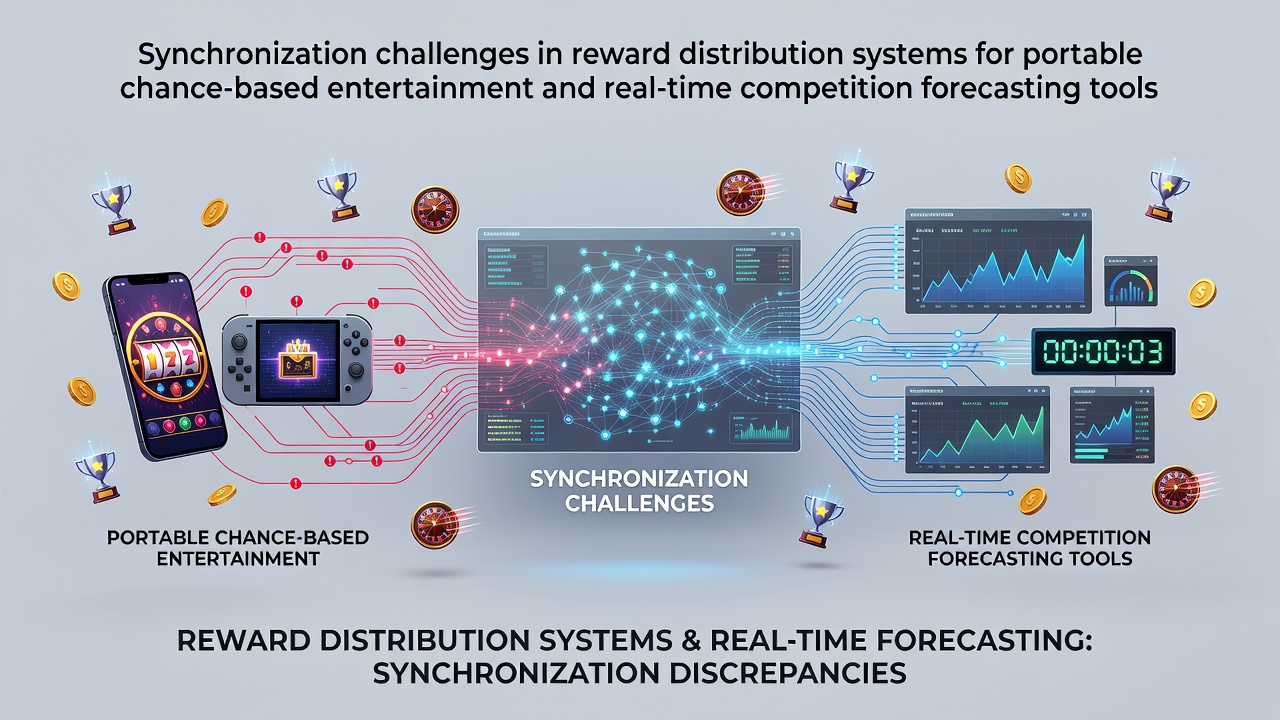
Portable chance-based entertainment platforms along with real-time competition forecasting tools rely on intricate reward distribution systems that must align across multiple devices and networks in order to deliver accurate payouts and incentives without delays or discrepancies. These systems handle everything from instant slot sequences and live dealer interactions to athletic prediction interfaces where users forecast outcomes in ongoing events and those networks face constant pressure to maintain timing precision amid fluctuating connectivity conditions.
Core Components of Reward Distribution Frameworks
Reward distribution in these environments involves layered protocols that track user activity across chance mechanics and forecasting markets while coordinating with payment gateways and regulatory ledgers. Data shows that portable applications must synchronize player balances and bonus triggers with backend servers often located in different jurisdictions and this process grows more complex when real-time elements like live event odds or progressive jackpot chains enter the equation. Observers note that even minor timing offsets can lead to mismatched records where a user receives a reward notification on one device yet sees an outdated balance on another.
Network Latency and Mobile Connectivity Factors
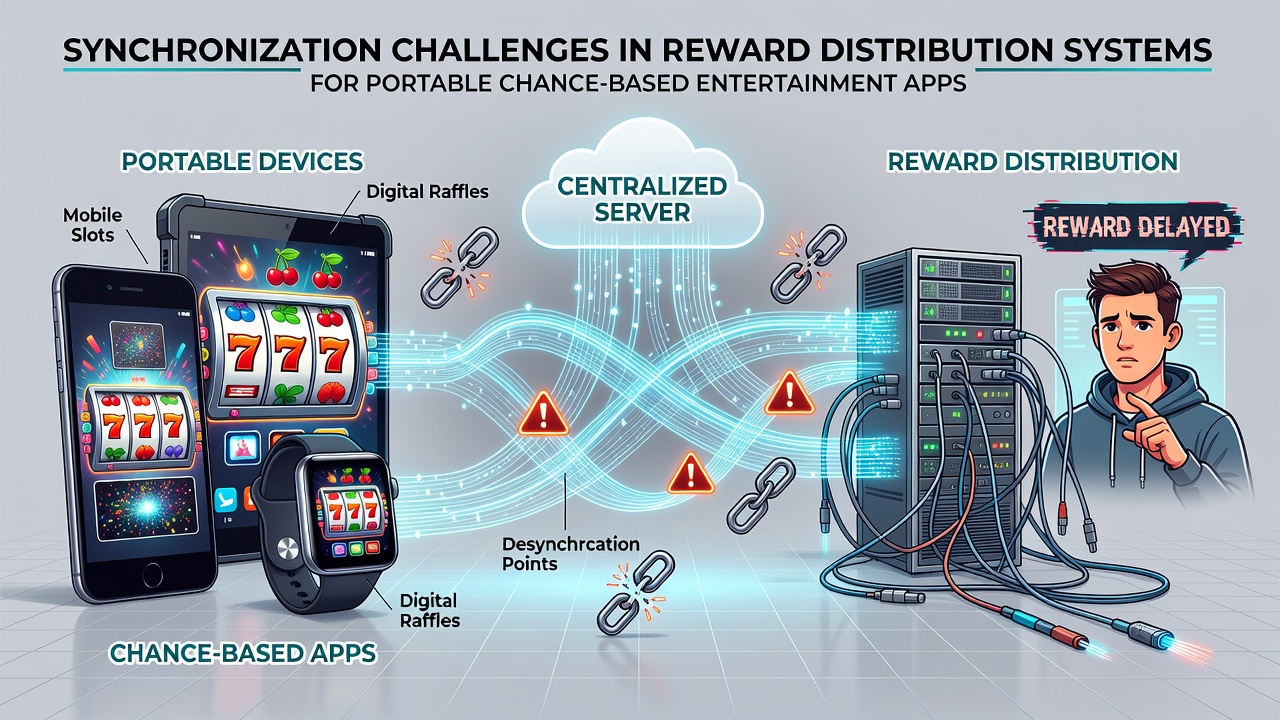
Mobile networks introduce variables such as signal handoffs between cell towers and variable data packet delivery speeds that disrupt the seamless flow of reward confirmations. Researchers at institutions tracking gaming technology have documented cases where latency spikes during peak usage periods cause settlement delays in both reel-based games and prediction interfaces and those delays compound when multiple users compete for the same limited reward pools. The reality is that systems must account for these fluctuations through buffering mechanisms yet complete synchronization remains elusive in regions with inconsistent infrastructure support.
Integration Challenges Across Diverse Platforms
Chance-based entertainment and competition forecasting tools often operate on separate software architectures that require custom bridges for reward data exchange. Experts have observed that when a user transitions from a portable slot session to placing a forecast on an athletic event the reward eligibility thresholds must update instantaneously across both modules or else incentive layers fail to apply correctly. According to reports from the Casino Regulatory Authority of Singapore such cross-platform alignments demand rigorous testing protocols that simulate thousands of concurrent transactions to identify potential desync points before deployment.
Regulatory Compliance and Settlement Timelines
Jurisdictions impose strict rules on how quickly rewards must settle and these requirements vary significantly between regions which adds another layer of synchronization demand. Figures from the New Jersey Division of Gaming Enforcement reveal that portable platforms operating across state lines encountered over 12 percent more reconciliation errors in the first half of 2026 compared with stationary systems and those errors often trace back to mismatched time stamps in reward ledgers. And as of October 2026 several operators have implemented unified timestamping standards drawn from international research collaborations to address these gaps while maintaining compliance with local audit trails.
Security Protocols and Data Integrity Measures
Encryption layers and fraud detection algorithms must run in parallel with reward distribution without introducing additional delays that break synchronization. Those who've studied these systems know that any security check that holds a transaction for verification risks desyncing the user's visible balance from the actual available funds especially during high-volume periods in real-time forecasting markets. Industry organizations such as the American Gaming Association have compiled datasets showing that integrated security-reward pipelines reduce error rates when they employ distributed ledger elements yet adoption remains uneven across portable entertainment providers.
Emerging Approaches to Minimize Desynchronization
Developers continue to explore edge computing solutions that process reward validations closer to the user's device and thereby shorten the round-trip time for data exchanges. Evidence suggests that hybrid models combining cloud servers with localized nodes improve alignment in both chance-based sequences and prediction outcome settlements while preserving the audit capabilities regulators require. People who've implemented these models report fewer user complaints about delayed or duplicate rewards though full standardization across all portable platforms has not yet occurred.
Conclusion
Synchronization challenges persist as a central concern for reward distribution in portable chance-based entertainment and real-time competition forecasting tools because network variables regulatory differences and platform integrations all converge on the same timing requirements. Continued advancements in timestamping and distributed processing offer pathways forward while data from multiple regulatory and research sources continues to guide refinements in these complex systems.